

Categories
15 Jul, 2026
Savvy News
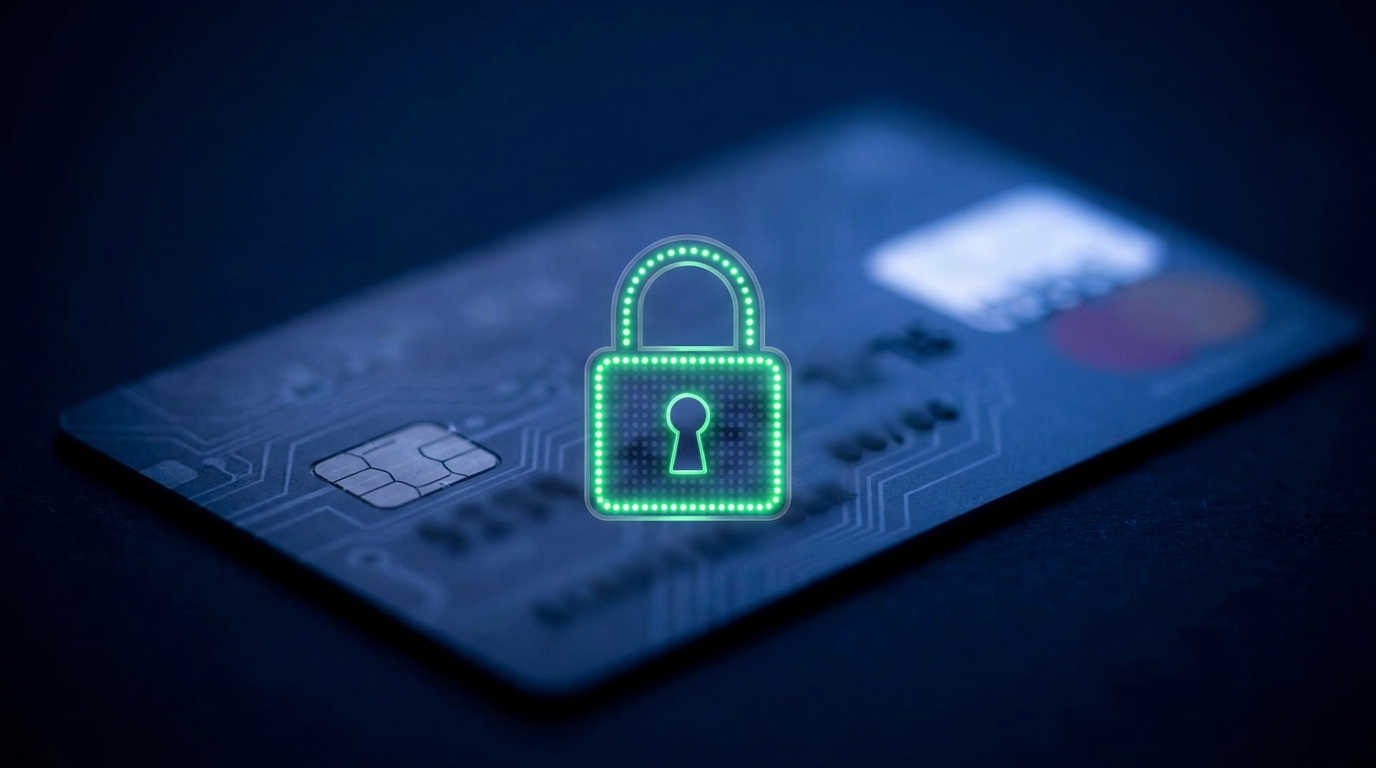
Credit card fraud losses in the United States reached $10.3 billion in 2023, a 24% increase from 2020. The nature of that fraud has shifted fundamentally. Physical card theft and skimming still exist but now represent a minority of cases. The dominant fraud vectors in 2026 involve compromised card data used for online purchases, sophisticated social engineering targeting cardholders directly, and account takeover schemes that bypass the card entirely by compromising login credentials. Understanding where fraud actually happens is the prerequisite to protecting against it effectively.
$10.3B
US credit card fraud losses in 2023
65%
of fraud now card-not-present transactions
$0
cardholder liability under zero-liability policies
60 days
window to report fraud under FCBA protections
Why card-not-present fraud dominates
The transition to chip-and-PIN technology in US credit cards, which became widespread between 2015 and 2018, largely eliminated the profitability of physical card counterfeiting. Magnetic stripe data cloned from a stolen number could previously be used to create a functional duplicate card. EMV chips generate a unique transaction code for each purchase that cannot be reused, making counterfeit physical cards operationally useless. Fraudsters responded by migrating to environments where the physical chip cannot be read: online transactions, phone orders, and any card-not-present scenario.
In 2023, card-not-present fraud accounted for approximately 65% of all US credit card fraud losses. Data breaches at retailers, restaurants, and healthcare providers expose card numbers and expiration dates in bulk, providing the raw material for automated fraud runs that test thousands of cards per hour against smaller merchants with weaker transaction monitoring.
How account takeover fraud works
Account takeover fraud does not target your card number directly. It targets your account login credentials. If a fraudster gains access to your card issuer's app or website under your credentials, they can change the registered shipping address, request a replacement card, add the card to a digital wallet, or transfer credit line to a partner account. None of these actions require your physical card, and all can be accomplished before you receive any alert from the issuer.
Credential stuffing, which uses username and password combinations leaked from unrelated data breaches to attempt logins at financial institutions, is the most common technique. If you use the same password at a retailer or subscription service as you use at your bank or card issuer, your card account credentials may already be available on breach databases. Password reuse across financial accounts is the single largest account takeover risk factor.
Social engineering: the human factor
Sophisticated phone and text-based fraud attempts increased significantly in 2024 and 2025, driven by AI voice synthesis tools that allow fraudsters to impersonate bank security departments convincingly. The typical scenario: you receive a call or text claiming to be from your card issuer's fraud department alerting you to suspicious activity. The caller asks you to verify your identity by providing your card number, expiration date, CVV, or a one-time code just sent to your phone. The one-time code is actually a password reset confirmation for your online account.
A key defensive principle: your card issuer will never ask you to read back a code that was just texted to you. That code is an authentication token for an action being performed, and reading it to anyone, including someone who appears to be calling from your bank, confirms that action on behalf of the fraudster. If you receive this scenario, hang up and call the number on the back of your card.
Your actual liability under federal law
Under the Fair Credit Billing Act, your liability for unauthorized credit card charges is capped at $50. All major card networks, Visa, Mastercard, American Express, and Discover, offer zero-liability policies that waive this exposure entirely for cardholders who report fraud promptly. Practically, this means credit card fraud, if discovered and reported, costs you nothing out of pocket. The issuer bears the loss and the merchant often bears the chargeback.
Reporting promptly is the critical requirement. A fraud charge reported within 60 days of your statement is handled under these protections. Charges not reported within 60 days may result in reduced or no protection. Set up real-time transaction alerts so you are notified within minutes of any charge, not weeks later when reviewing your statement.
Practical steps to reduce your exposure
Enable real-time transaction alerts on every card you hold. Most issuers allow push notifications for any transaction above any threshold you set. Setting the threshold to $1 ensures you see every charge immediately. Use virtual card numbers for online shopping when available: Apple Pay, Google Pay, and most major issuers now offer virtual card numbers that mask your real account number for online purchases, making the virtual number useless even if the merchant's systems are compromised. Use a unique, randomly generated password for your card issuer's online portal. A password manager with a strong generated password for each financial account eliminates credential stuffing risk. Set up two-factor authentication using an authenticator app rather than SMS where available, since SIM swap attacks can intercept SMS-delivered codes.
Frequently asked questions
What should I do immediately if I see a fraudulent charge?
Call the number on the back of your card and report the specific transaction as unauthorized. The issuer will typically reverse the charge immediately, issue a provisional credit to your account while the dispute is investigated, and close or reissue the compromised card. Do not wait to see if the charge reverses on its own. The faster you report, the faster the resolution, and the cleaner your dispute record remains for future claims.
Is it safe to use my credit card at restaurants?
Yes, with appropriate awareness. Skimming devices attached to restaurant card readers exist but are rare compared to a decade ago, and the shift to tap-to-pay and chip transactions further reduces the risk of data capture. Where available, use contactless payment to eliminate the physical card from the transaction entirely. Review your statement within a few days of a restaurant visit to catch any anomalies quickly.
Do I need identity theft insurance if I have credit cards?
Credit card fraud liability protection covers fraudulent card transactions, not identity theft more broadly. Identity theft can involve creating new accounts in your name, filing fraudulent tax returns, or accessing medical insurance using your information, none of which your card's zero-liability policy covers. Placing a credit freeze at all three bureaus and checking your credit report quarterly at AnnualCreditReport.com are the most effective free defenses. Identity theft insurance policies cover the administrative costs of recovery rather than preventing the theft.
