

Categories
10 Jun, 2026
Savvy News

Credit card rewards programs delivered exceptional value to cardholders between 2020 and 2022, when issuers competed aggressively for new accounts and pandemic-era travel demand created favorable redemption conditions. That environment has shifted. Major airline loyalty programs have devalued their miles twice in two years. Issuers have raised annual fees and tightened spending thresholds on welcome bonuses. And the regulatory environment is adding pressure that will likely translate into further product changes in the second half of 2026. If your rewards strategy has not been updated recently, it is worth revisiting.
2x
increase in typical award miles cost since 2020
$695
annual fee on Amex Platinum as of 2022
$9B
estimated annual issuer revenue from late fees
27%
of credit card rewards that go unredeemed
Airline mile devaluations: the pattern since 2020
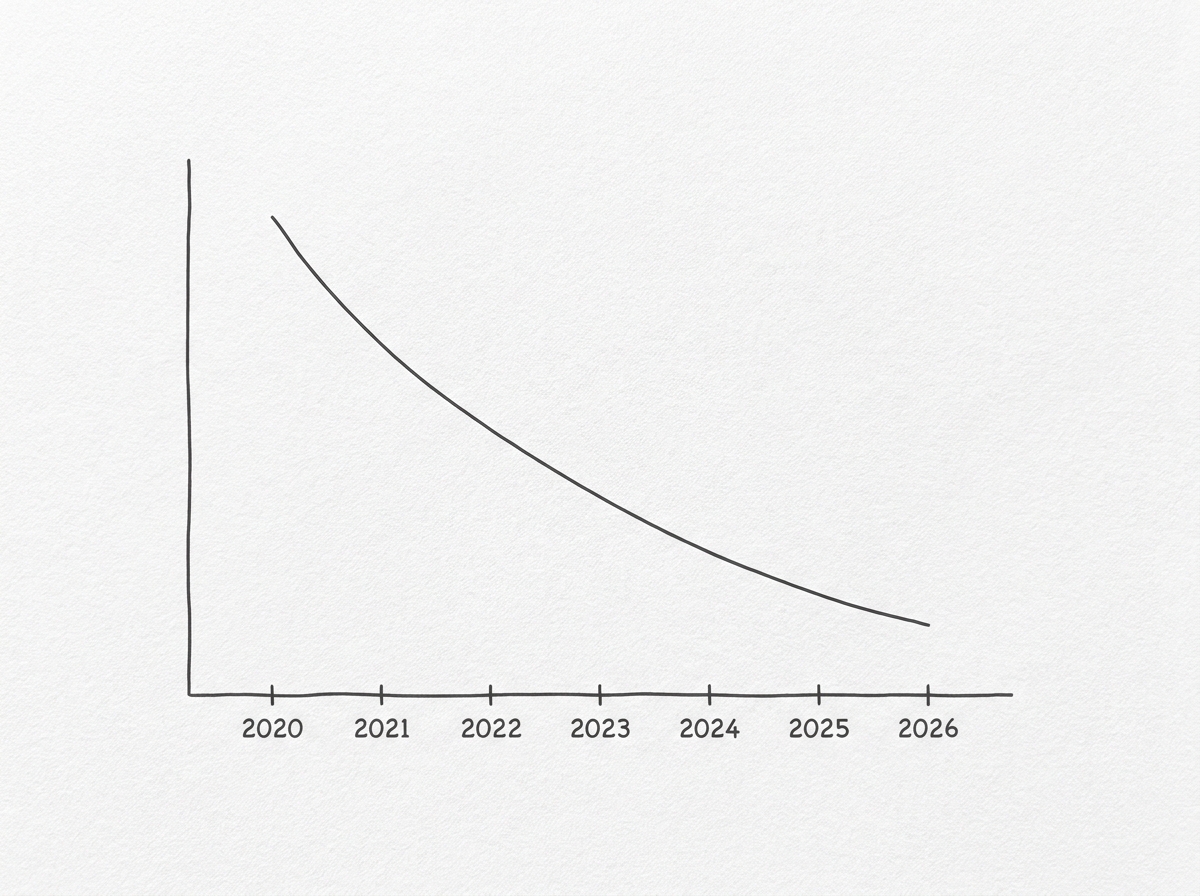
Between 2022 and 2025, Delta SkyMiles, United MileagePlus, and American AAdvantage all moved to dynamic award pricing, eliminating fixed award charts and allowing redemption costs to float based on demand. The practical effect is that economy domestic flights that cost 12,500 to 15,000 miles under fixed charts now routinely price at 20,000 to 35,000 miles during peak periods. Business class international redemptions that represented exceptional value at 50,000 to 60,000 miles now regularly show at 100,000 miles or more for the same routes.
Hotel programs have followed a similar path. Hyatt has remained the most stable of the major programs, but Marriott Bonvoy has devalued its award chart and IHG One Rewards restructured in ways that reduced access to aspirational properties for average point balances. The consistent pattern is that programs manage award inventory dynamically to maximize revenue from cash bookings, leaving miles and points as backup currency rather than primary value.
Annual fee increases and the shifting value proposition
American Express raised the annual fee on the Platinum Card to $695 in 2022 and has not reduced it since. Chase Sapphire Reserve held at $550 but adjusted the credits structure. Capital One Venture X launched at $395 specifically to compete at a lower fee point. The $95 tier, where products like Chase Sapphire Preferred and Amex Gold compete, has held relatively stable but seen category restrictions tightened and statement credit structures become more complex to use.
The pattern: issuers maintain headline rewards rates but add friction to redemption. Statement credits that apply only at specific merchants, rewards that earn at headline rates only up to quarterly caps, and points that require transfer partners to reach maximum value are all mechanisms that widen the gap between advertised and realized rewards rates for the average cardholder.
What the CFPB late fee rule means for rewards
The Consumer Financial Protection Bureau proposed a rule in 2024 to cap credit card late fees at $8, down from the current average of $32. The rule was blocked by a federal court injunction and is working through the appeals process. If upheld, it would reduce fee revenue for issuers by an estimated $9 billion annually. Issuers have been explicit in regulatory filings that a reduction in late fee revenue would be offset by increases in purchase APRs, annual fees, or both.
A separate interchange regulation proposal would cap the fees merchants pay per transaction, reducing revenue flowing to issuers. Interchange is the primary funding mechanism for rewards programs. A reduction in interchange rates would force issuers to reduce rewards rates, raise fees, or both. This regulatory risk has been openly discussed by major issuers in quarterly earnings calls throughout 2025 and early 2026.
Where rewards still deliver real value
Flat-rate cash back cards have been largely unaffected by these trends. A 2% flat card with no annual fee has a simple, transparent value proposition: two cents back per dollar spent with no caps, no categories, and no expiration. For households that do not have the time or inclination to optimize point transfers, this category remains reliable and competitive with the net value of many premium rewards cards after accounting for annual fees.
Transfer partner programs still offer outsized value for cardholders who plan specific redemptions. Chase Ultimate Rewards transferring to World of Hyatt for upscale hotel stays or to Air France-KLM Flying Blue for certain transatlantic routes continues to deliver value that flat cash back cannot match. The key change is that realizing that value requires more research and flexibility than it did three years ago, because dynamic pricing means the exact redemption you planned may not be available at the rate you budgeted.
How to audit your current rewards setup
Pull your rewards balances and calculate the realistic dollar value of your current points and miles. Use 1 cent per point as a conservative baseline for cash-equivalent value, and apply published transfer ratios for program currencies you intend to use for travel. Compare that total to the cumulative annual fees you have paid over the past 12 months across all rewards cards. If the gap is under $200, your rewards strategy is likely underperforming. Either simplify to a flat-rate card or spend time optimizing the transfer partner strategy your current card makes available.
Frequently asked questions
Do credit card points expire?
It depends on the program. Chase Ultimate Rewards and American Express Membership Rewards do not expire as long as your card account remains open. Most airline miles expire after 12 to 24 months of account inactivity, meaning you need at least one earning or redemption transaction per period to keep the balance alive. Hotel points typically expire after 12 months of inactivity. Check the terms of each program you accumulate in, and set a calendar reminder to make a small transaction if you have not used a program recently.
Is it better to use points for cash back or travel?
For most transfer programs, travel redemptions deliver higher value than cash back. Chase Ultimate Rewards redeemed for cash delivers 1 cent per point. The same points transferred to Hyatt can deliver 2 to 4 cents per point for upscale hotel redemptions. The tradeoff is flexibility: cash is liquid and requires no planning, while travel redemptions require booking availability at the time you want to travel. If you have a specific trip in mind and the flexibility to plan ahead, travel redemptions generally win. If you prefer simplicity, a flat cash back card removes the complexity entirely.
Should I cancel a rewards card if I am not using its benefits?
If you are not recouping the annual fee in direct value, yes. Call the issuer first and ask for a product change to a no-fee version of the card. This preserves the account's age and payment history without the ongoing fee. If no no-fee alternative exists in the same card family, weigh the score impact of closing the account against the annual cost of keeping it. An account you have held for five or more years has meaningful credit age value. An account you opened 18 months ago for a welcome bonus has less.
