

Categories
15 May, 2026
Savvy News

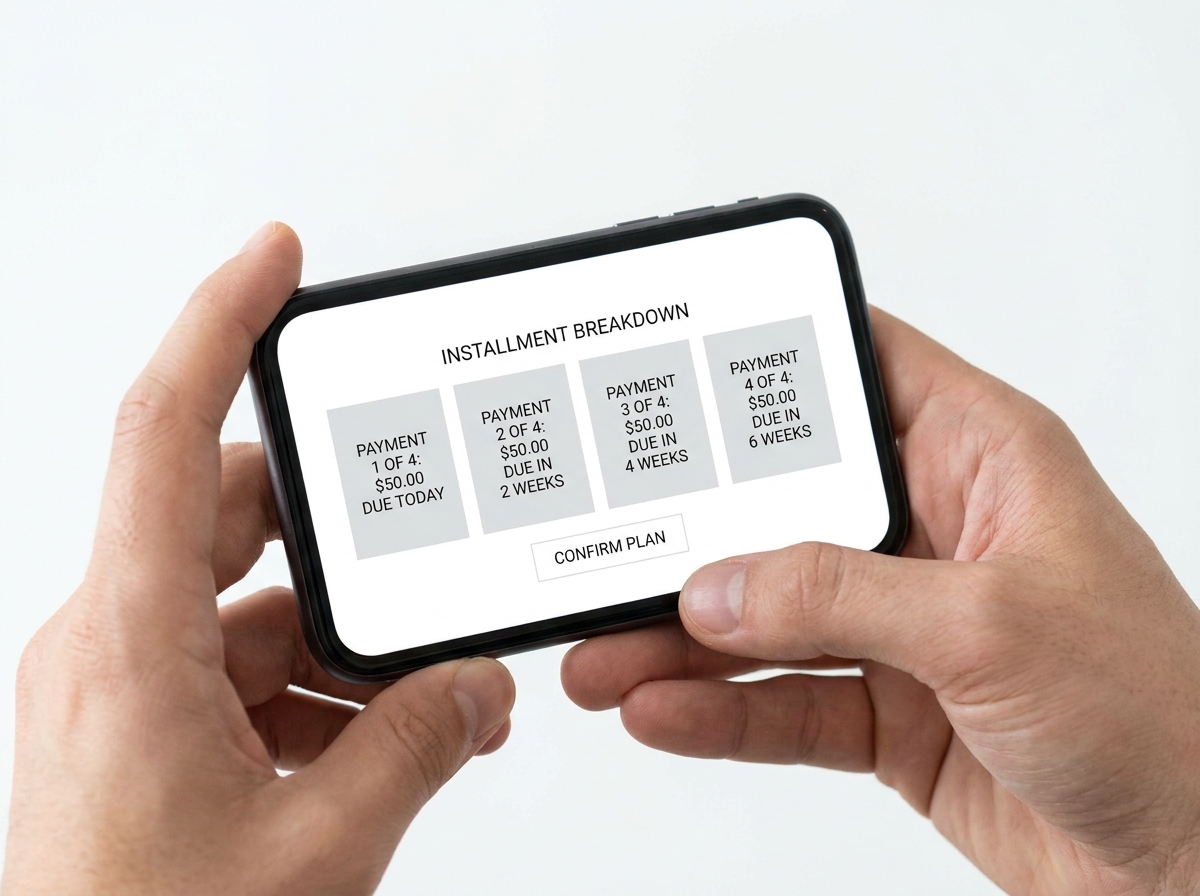
In 2023, US consumers completed $135 billion in buy now pay later transactions. Embedded finance, the practice of offering credit at the point of purchase through a non-financial brand, added another $50 billion in originations. Digital-first banks grew their credit card portfolios at three times the rate of traditional issuers. The fintech transformation of consumer credit is not a future event. It is the current market, and it is accelerating in ways that traditional cardholders need to understand.
$135B
US BNPL transactions in 2023
3x
neobank credit card growth vs. traditional issuers
$8
CFPB proposed late fee cap (under court review)
2024
year CFPB classified BNPL lenders as credit card issuers
$135B
US BNPL transactions in 2023
3x
neobank credit card growth vs. traditional issuers
$8
CFPB proposed late fee cap (under court review)
2024
year CFPB classified BNPL lenders as credit card issuers
Buy now pay later: the growth that changed the industry
BNPL products like Affirm, Klarna, Afterpay, and Zip reshaped the point-of-sale credit market between 2020 and 2025. They solved a real consumer problem: access to short-term installment credit without a credit card application or hard inquiry. For a segment of the market with thin credit files or card aversion, BNPL provided access that traditional cards did not.
The model now faces its first major regulatory cycle. The CFPB classified BNPL lenders as credit card issuers in a 2024 interpretive rule, which requires dispute rights, periodic statements, and grace period protections similar to traditional cards. This increases compliance costs for BNPL providers and reduces some of the regulatory arbitrage that let them grow so fast. Klarna's IPO and Affirm's ongoing public market performance are closely watched indicators of where BNPL lands as a sustainable business model.
Embedded finance: credit inside everything
Embedded finance puts credit products inside non-financial applications and experiences. Apple Card is the clearest large-scale example: a credit card built into iOS, issued by Goldman Sachs, accessed through Wallet. Shopify Capital offers merchant loans that auto-repay from sales. Amazon's store card and Prime Visa, managed through Chase, tie credit access to commerce loyalty.
The next wave goes further. Gig economy platforms are testing earned wage access and pay advance products that debit future earnings rather than extend traditional credit. Healthcare platforms are offering point-of-care financing. HVAC companies and contractors embed installment financing in quotes. The credit product is disappearing into the purchase flow, which makes it easier to access and harder to evaluate critically before committing.
Neobanks and the challenger credit card
Chime, Current, Dave, and similar digital-first banks built their initial products around no-fee checking and automatic savings. The credit card product came later, but it arrived with a different model. Chime's Credit Builder card is a secured card that reports to all three bureaus and charges no interest because spending is backed by your own funds. Current's card offers spending insights and budgeting tools baked into the credit product.
These products target a different segment than traditional premium rewards cards: younger consumers with shorter credit histories who have been underserved by traditional issuers. They trade rewards rates for accessibility and simplicity. The strategic question for the neobanks is whether credit is a gateway to a full financial relationship or a standalone product, and most evidence from 2024 and 2025 suggests the former is required for sustainable unit economics.
The interest rate environment reshapes the fintech model
Fintech lenders built their models in a near-zero interest rate environment. Capital was cheap, credit losses were manageable, and growth was the priority. The rate cycle of 2022 to 2025 exposed the fragility of models dependent on cheap warehouse lending. Several high-profile BNPL and personal loan fintech lenders saw delinquencies spike and funding costs rise simultaneously, compressing margins sharply.
The survivors adapted: tighter underwriting standards, shorter loan terms, and a focus on profitability over growth. The result is a more mature, more bank-like fintech credit sector. Regulatory convergence is following: the OCC, FDIC, and CFPB are all moving toward treating fintech credit products with the same oversight framework as traditional bank products, including capital requirements and examination authority.
What US cardholders should watch in 2026
Three developments are worth tracking. First, the CFPB late fee rule: after a court injunction in 2024, the bureau's attempt to cap credit card late fees at $8 is working through the courts. If upheld, issuers will compensate by raising APRs or cutting rewards, changing the value calculation for millions of cardholders. Second, credit card data portability proposals would allow consumers to move their credit history and spending data between issuers more easily, which could reshape switching behavior. Third, real-time payments infrastructure, FedNow and RTP, is expanding, which may reduce the settlement delay advantage that credit cards currently hold over debit and ACH for certain transaction types.
Frequently asked questions
Is BNPL safer than a credit card?
For the specific purpose it is designed for, a short-term purchase you plan to pay off in four installments, BNPL carries no interest if paid on time, which makes it more predictable than a revolving credit card balance. The risks are different: BNPL does not build credit history with most providers, the dispute process is less established than card chargeback rights, and the ease of access makes it easier to accumulate commitments across multiple providers without a clear total picture of what you owe.
Will neobank credit cards replace traditional bank cards?
For specific segments, yes. Credit Builder-style products have taken meaningful market share in the credit building segment. But for rewards optimization and premium benefits, traditional issuers with larger balance sheet capacity and established airline and hotel partnerships retain a significant structural advantage. The market is segmenting rather than consolidating around a single winner.
How should I evaluate new fintech credit products?
Apply the same framework as any credit product: what is the APR, what are the fees, does it report to all three bureaus, what are the dispute rights, and what happens if the company shuts down or changes its terms. The fintech label does not change the fundamentals of credit. A product that cannot answer those questions clearly is one to approach with caution.
